
Seasonal Home Comfort Questions
Everything you need to know about preparing your Irish home for each season
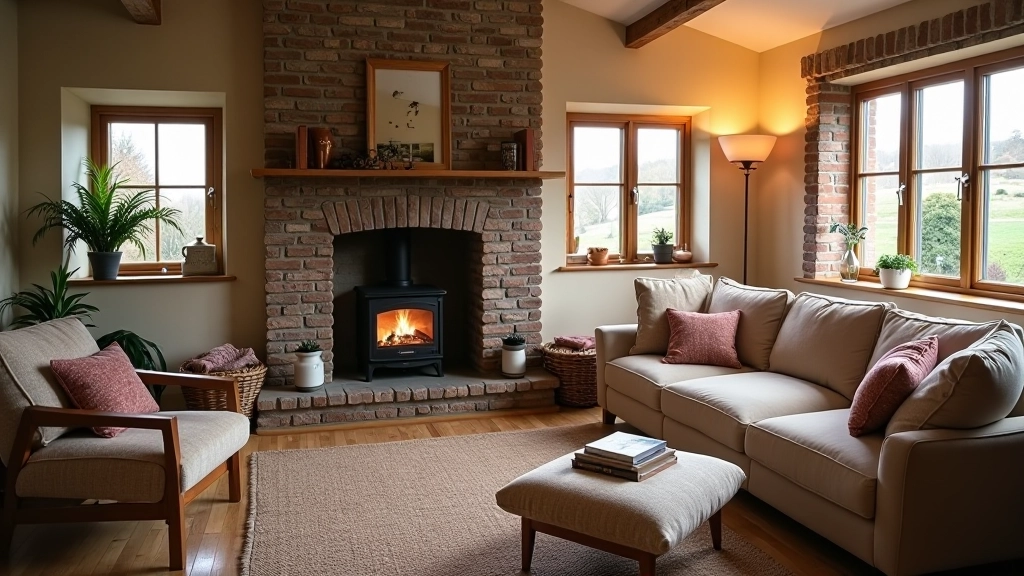
We recommend starting in late September or early October, before temperatures really drop. This gives you time to identify draughts around windows and doors, seal gaps, and install weatherstripping without rushing through the work. You'll notice the difference in your heating bills by November.
It's a combination of things: maximise natural light by keeping windows clean and removing heavy curtains during the day, use warm-white LED bulbs (around 2700K) rather than cool white, and introduce reflective surfaces like mirrors and light paint finishes. Layer your lighting so you can adjust brightness throughout the day rather than relying on one overhead light.
Start with decluttering room by room, then deep clean from top to bottom. In March and April, open windows more often as weather improves—this helps remove winter dampness and stale air. Focus on areas that collect moisture like bathrooms and kitchens, clean window frames thoroughly, and consider airing out winter textiles before storing them.
Thermal curtains and lined curtains are essential—they reduce heat loss through windows by up to 25%. Wool throws, heavy-weight cotton curtains, and thermal rugs all contribute. Layering is key: combine a lightweight inner curtain with thermal blackout linings rather than one thick curtain, and don't forget draught excluders at the bottom of doors where heat escapes most easily.
Consider weather-resistant seating and a pergola or garden umbrella for shade and wind protection—Irish summer sun can surprise you, but so can sudden rain. Focus on durable outdoor furniture, create zones for different activities, and think about year-round planting so your garden looks good even in July when Irish weather's unpredictable. Ensure proper drainage in sitting areas to avoid waterlogging.
Yes—proper ventilation removes moisture and indoor pollutants that build up, especially in winter when we seal homes tightly. Open windows for 10-15 minutes daily, use exhaust fans in bathrooms and kitchens, and pair this with subtle aromatherapy using diffusers with eucalyptus or lavender to support mood and wellbeing. It's not a replacement for heating, but it works alongside it to create a genuinely healthier space.

Ready to transform your home comfort?
Explore our seasonal guides and start making changes that suit your home and lifestyle.