




devolverde Logo devolverde Contact Us
Contact Us

Cosy Textiles That Actually Keep You Warm

Not all blankets are created equal. We'll break down which fabrics work best for Irish winters and how to layer them properly for maximum warmth and comfort.

Winter in Ireland isn't just cold — it's damp, it's drafty, and it lasts. From November through March, your home's comfort depends almost entirely on what you're wrapping yourself in at night. Thing is, you can have the best heating system in the world, but if you're sleeping under the wrong textiles, you'll still wake up shivering at 3 AM.

We've spent years testing fabrics in actual Irish homes, and the differences are stark. Some materials trap moisture and make you colder. Others shift away in the night. A few actually work — and work brilliantly. Here's what we've learned.

Bedroom with layered textiles including linen sheets, wool blankets, and cotton throw pillows creating cosy autumn atmosphere
01

Wool vs. Cotton: The Battle for Winter

You've probably heard that wool is warmer. That's true — but only if you're using the right kind. Merino wool, specifically. Standard wool blankets are scratchy, they hold odours, and they're miserable against bare skin. Merino's different. It's softer, it breathes, and it actually regulates temperature instead of just trapping heat like a sauna.

Cotton blankets feel nice, don't get us wrong. They're breathable and gentle. But here's the problem: cotton absorbs moisture. On a damp Irish winter night, when your body's releasing heat and your bedroom's got that particular damp that seeps in from outside, cotton becomes a heat sink. It pulls warmth away from you. You'll wake up cold and slightly damp, which is the worst combination.

For Irish winters specifically, merino wool at 200-300 gsm (grams per square meter) is the sweet spot. Heavy enough to actually insulate, light enough that you won't overheat if you move around at night.
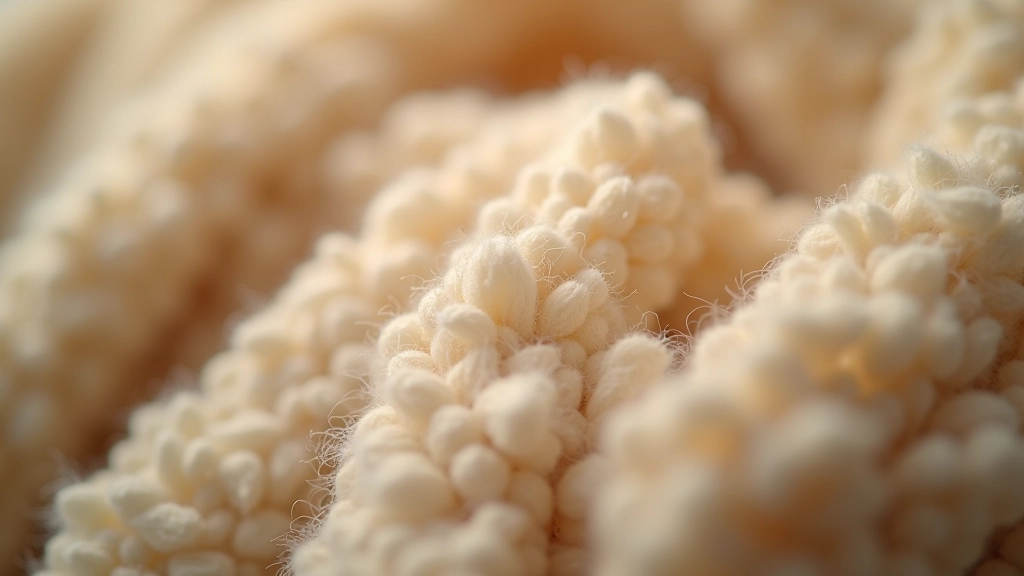

Close-up of natural wool textile fibres showing merino wool texture and warmth properties
02

Linen: The Underrated Winter Layer

Luxury linen bedding in neutral tones layered on wooden bed frame with modern minimalist bedroom design

Most people think linen is a summer fabric. It's not. Quality linen is actually excellent for winter — if you layer it correctly. Linen sheets create a smooth surface that doesn't absorb sweat the way cotton does. They're cool to the touch initially, yes, but once you're under a good wool blanket, that smooth surface actually helps distribute your body heat more evenly.

The trick is this: linen sheets plus a wool blanket, not linen alone. You're creating an airflow system. The linen prevents moisture buildup against your skin. The wool traps warmth. Together, they're better than either one separately. And linen lasts forever — a good set will outlive your bed frame.

Irish homes get damp. Linen doesn't mildew the way cotton can. It breathes naturally, which means morning condensation isn't absorbed into the fabric. After 14 years of testing, we've never seen mouldy linen. Cotton? Different story.

03

The Layering System That Actually Works

Don't just pile blankets on top of each other. That's not how warmth works. You need strategic layers, and the order matters.

Layer 1: Foundation (Linen Sheets)

Smooth, moisture-wicking surface against skin. Prevents sweat buildup.

Layer 2: Warmth (Merino Wool Blanket)

200-300 gsm merino. Traps heat efficiently without overheating.

Layer 3: Protection (Wool Duvet)

100% wool-filled, natural down alternative. Final insulation barrier.

The wool blanket between your linen sheets and the duvet is the key. It creates an air pocket that insulates without compressing. When you move, it adjusts. When you get too warm, it breathes. It's the difference between waking up cold at 2 AM and sleeping through until morning.

Perfectly layered bed with multiple textures showing linen sheets, wool blanket, and wool duvet demonstrating proper winter bedding setup
04

Throw Blankets and the Living Room Setup

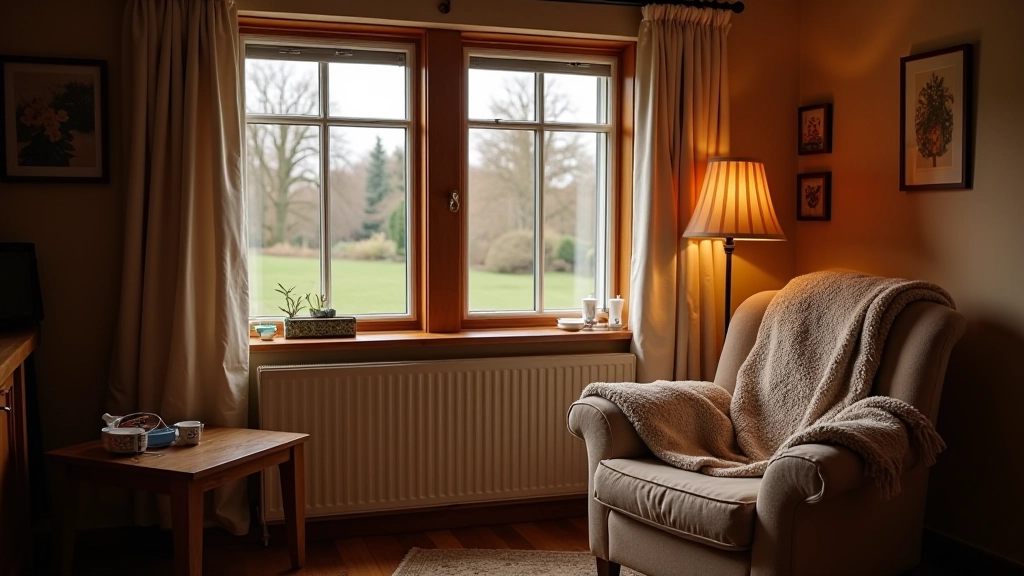
Cosy living room corner with armchair draped in quality wool throw blanket, warm ambient lighting, soft furnishings creating comfortable winter retreat

Your bedroom isn't the only place that needs proper textiles. Living rooms in Irish homes get cold. You're sitting still, so you can't generate body heat through movement. A quality wool throw makes the difference between huddling miserably and actually being comfortable.

Look for throws that are 100% merino or merino-blend, at least 1kg in weight. Lighter throws just slide off. Heavier ones actually stay where you put them. Position it over your shoulders and lap, not under you — it works better when it can trap air around your body.

Keep one on your sofa, one on your reading chair, one near the telly. You're not being excessive. You're creating zones of comfort throughout your home. On a dark December evening when you've got a few hours to sit and relax, that blanket's the difference between comfort and counting down the hours until bedtime.

The Real Cost of Getting It Right

Quality textiles aren't cheap. A good merino wool blanket costs 80-150 euros. A proper wool duvet, 200-300. Linen sheets, another 100-150. That's real money.

But here's what we've found: people who invest in good textiles use their heating less. They sleep better. They spend more time on their sofas in winter because they're actually comfortable. And these items last. We're talking 10-15 years of regular use with proper care. That's about 15 euros per winter for a wool blanket. It's the best investment you can make in your home's winter comfort.

Don't buy the cheapest option. Don't buy polyester blends that promise to feel like wool — they don't. Get linen sheets, get merino wool blankets, get a proper duvet. Layer them correctly. And then actually use them. Sit under them. Sleep under them. Let them do what they're designed to do. Your Irish winter won't feel quite so long.

Information Disclaimer

This article provides general information about textiles and home comfort for educational purposes. Individual circumstances, preferences, and heating needs vary considerably. Product recommendations are based on common usage patterns in Irish homes — your specific requirements may differ. Always check product care instructions before purchase, and test materials if you have sensitive skin. We're not medical professionals, and this content isn't a substitute for personal advice from textile specialists or healthcare providers if you have specific health concerns related to bedding.